
What’s Classical Pilates?
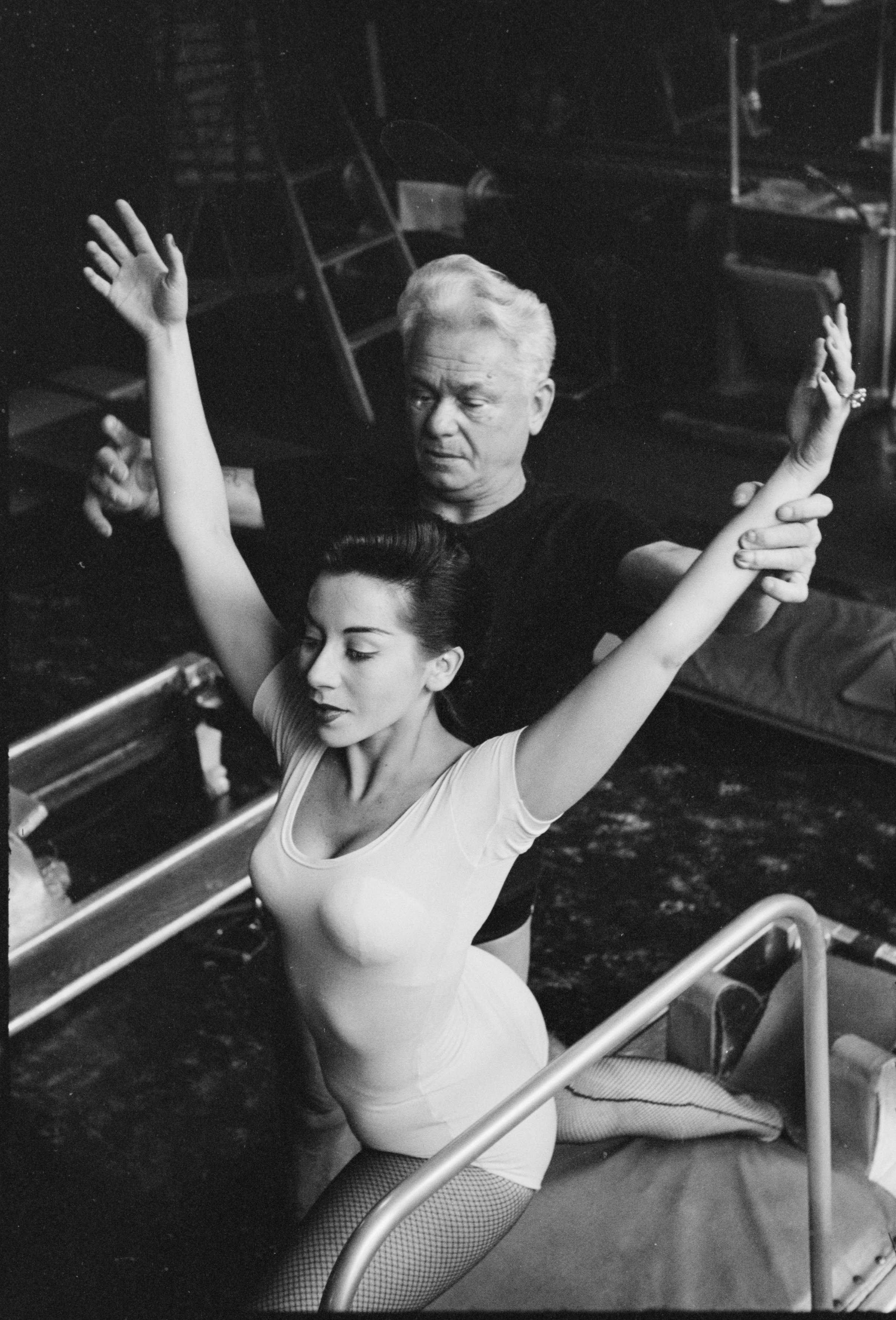
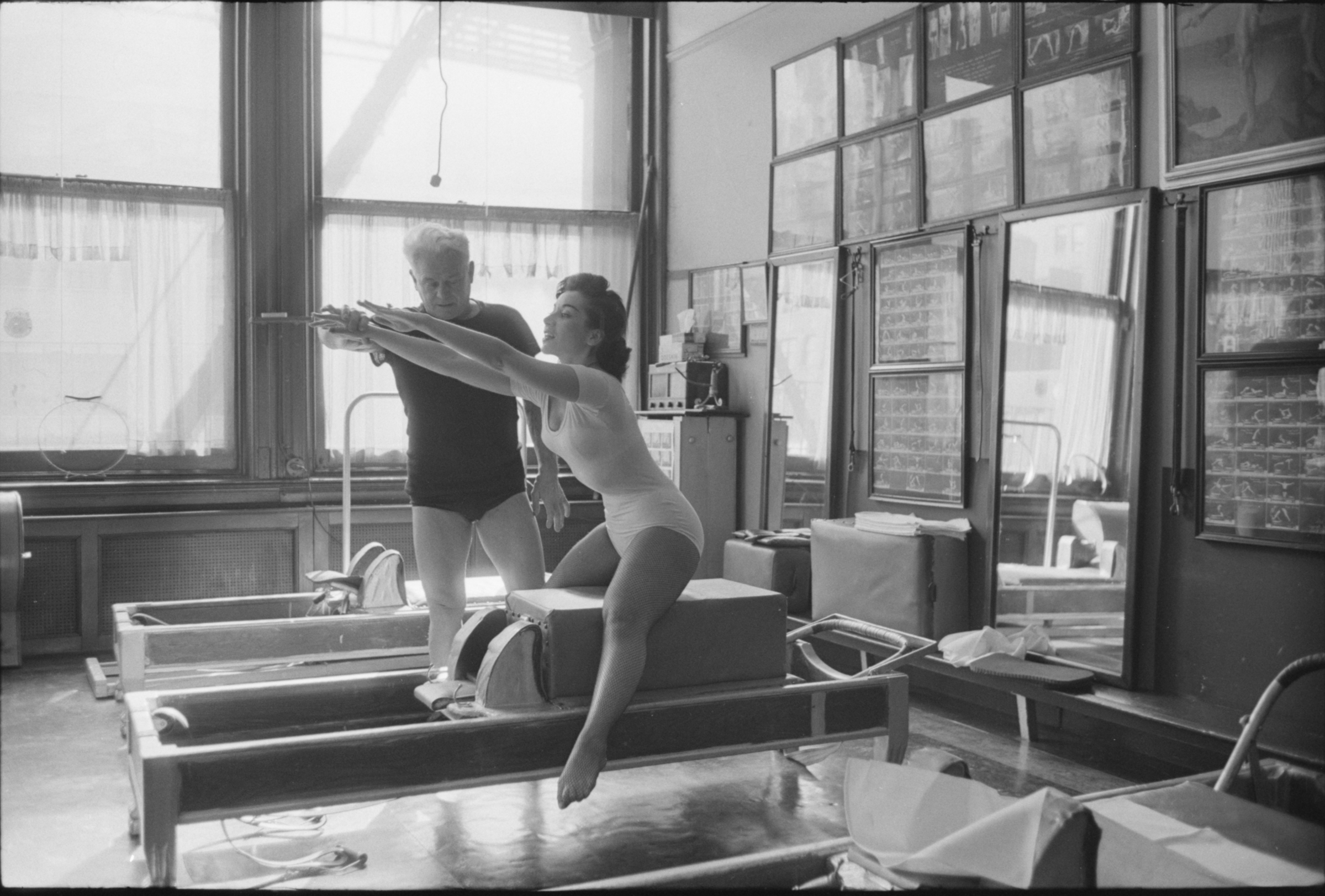
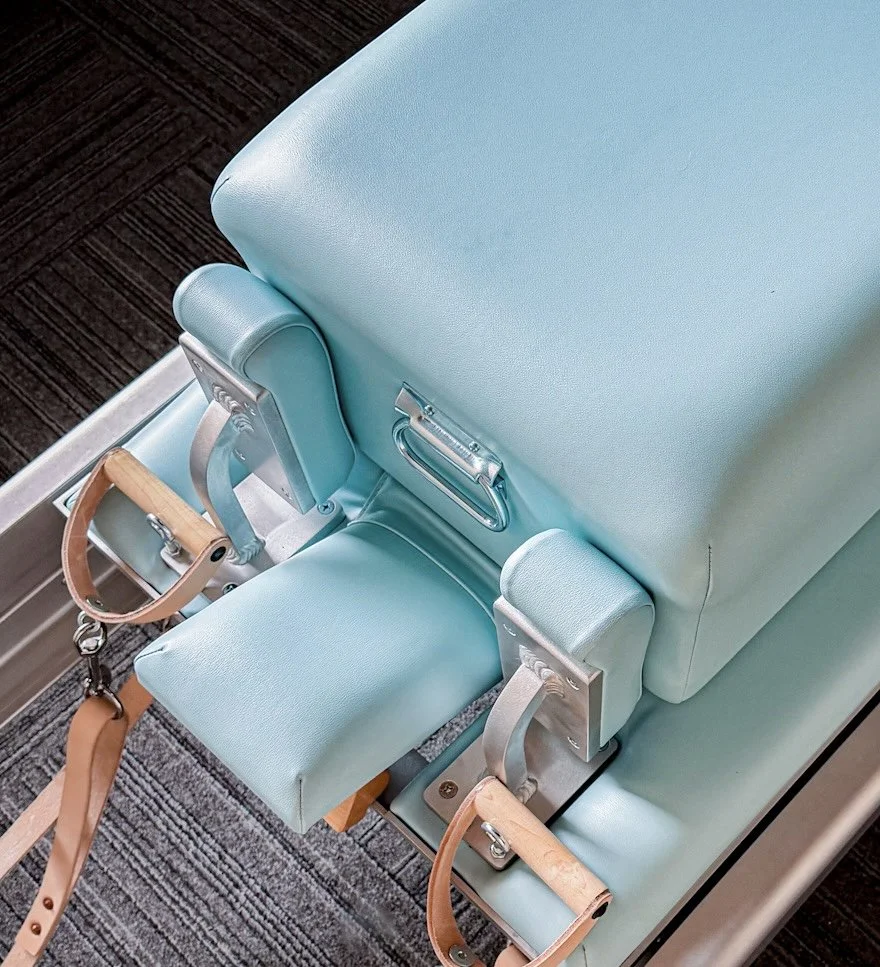
At Somos, we teach Classical Pilates, the system Joseph Pilates created. It has named exercises, a natural flow, and equipment built to his original designs.
Classical is our foundation, not a rulebook. It isn't rigid, and it was never meant for just one type of body. You get a clear goal, and together we find a path that fits you.
It may feel different from the Pilates you've seen online or reformer classes you've taken before. Here, the exercises build on each other week to week. Over time, you develop strength, control and body awareness that carry into everyday life.
If you want to understand how your body moves, and grow stronger over time, you're in the right place. I truly believe every body can benefit from this work, and I'd love to show you what it can do for yours.

“Somos” means ”we are.”
Every body. Every background. Every starting point.
You only need to show up.
Meeting you where you are
No two bodies move the same way. Joseph Pilates knew this, and he shaped his teaching around the person in front of him. We do the same.
The method stays true to its roots, but your path through it is your own. Every exercise comes with a clear explanation of what it's for and how it should feel. If a movement isn't working for your body yet, we adjust. That might mean changing the springs, choosing a modification or simply slowing down until it makes sense.
Some days you'll practice an exercise in its full form. Other days we'll build toward it in smaller steps, each one with a purpose. Either way, you'll always know where you're headed and how to get there. You'll never be left guessing.
Your first sessions
We highly recommend starting with a Private Session before you join a group class. It’s the safest way to learn the method, and you’ll walk into class feeling confident and knowing exactly what to do.
In your first sessions, we will focus on:
Your powerhouse: the center of your body, from your ribs to your hips, including your abdominals, back, hips and seat. Every exercise starts here.
Your Pilates box: the square from shoulder to shoulder and hip to hip. Keeping it square helps you move with good alignment.
The basics: the names of the exercises, how the springs work, and how to move safely on the equipment.
It might feel like a lot at first, and that's completely normal. You won't remember every exercise name or spring setting right away. Some days you might walk out thinking, “What the heck did we just do?” Everyone starts there.
Pilates is a practice, and it's consistency that changes the body. The more regularly you come, the more the pieces start to connect, and the more you'll feel the work change how you move.
About my training
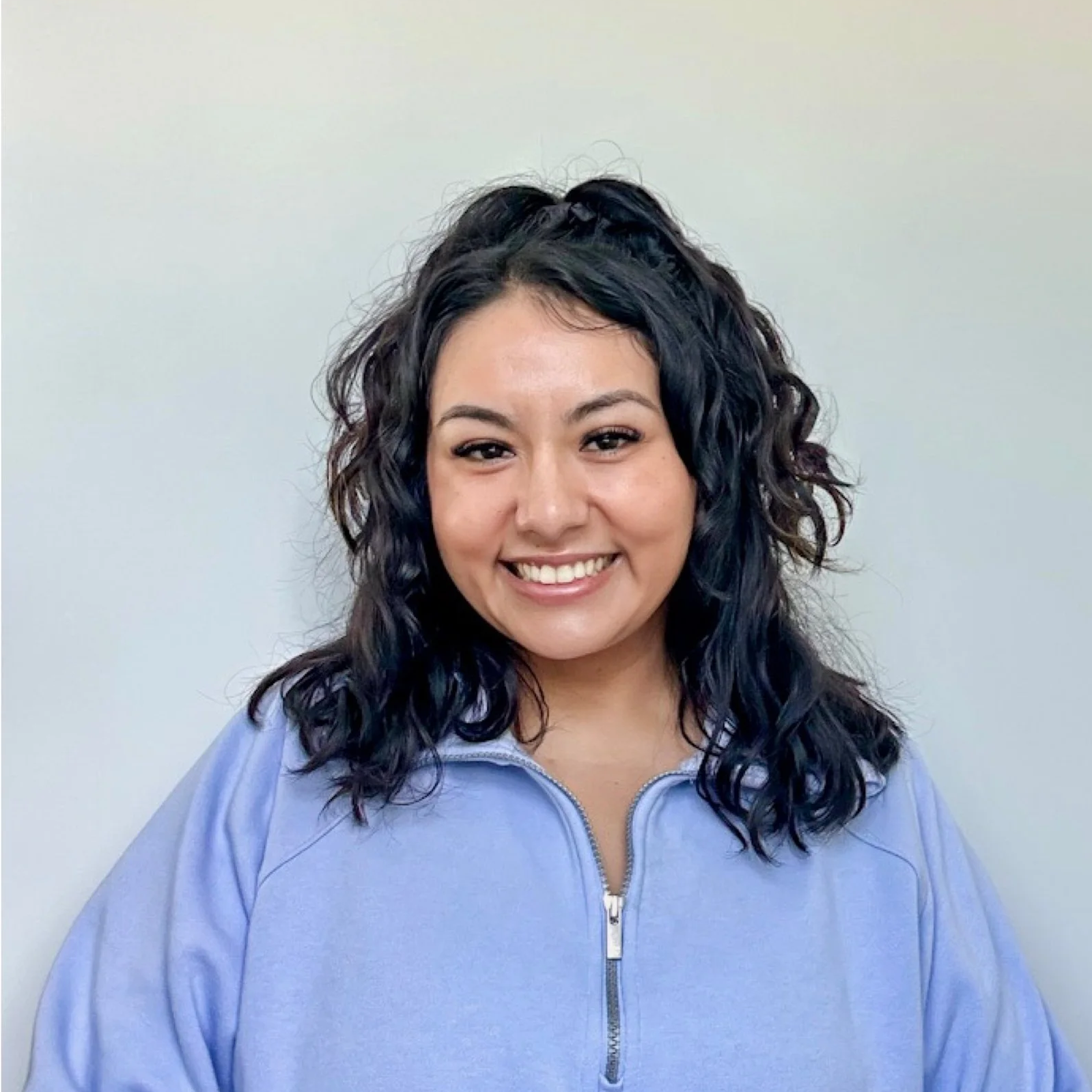
“You'll get the move when you get it.” I heard that often as a curvier person going through Pilates training, and it never made sense to me. I'm neurodivergent, hypermobile and a very literal thinker, with muscles that are somehow tight and loose at the same time. I needed to understand the why and the how, not just wait for it to click.
That need shaped the teacher I became. I completed a 600-hour comprehensive Classical Pilates training program, but it was only the beginning. I kept studying on my own to understand what my body needed, and I still do.
Today I continue my own practice with teachers trained by Romana Kryzanowska, who studied directly with Joseph Pilates and carried his work forward for decades. I take in-person and online workshops, and I spend countless hours researching biomechanics, how bodies move and how to adapt the work for every body type.
Before Pilates, I spent many years as an ICU nurse, and I hold a Bachelor of Science in Nursing. Nursing taught me to pay close attention to the person in front of me. Now I bring that same care to every session, so you always know what we're working on and why.